
Tim Antric – Kaiarataki Managing Director – Hemisphere

A photo posted to Instagram can be screenshotted in the two seconds it takes someone to scroll past it, and it can outlive the account that posted it. A page on your own website can come down the moment someone asks. A story picked up by a news outlet can't be recalled at all. Same story, three different risks, depending on where it lands.
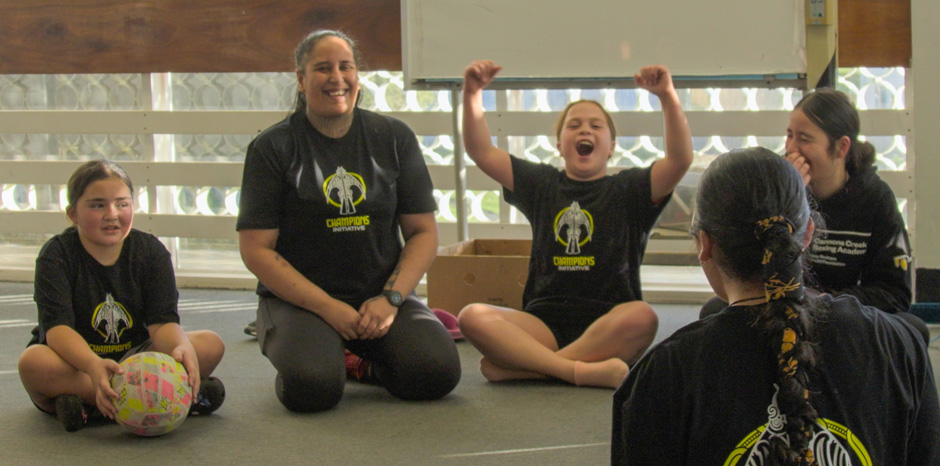
We ran two sessions with Champions Initiative in October last year — coaches and academy managers joining from around the country, from Hastings to Mid Canterbury, alongside Zalán Orbán and Darelle Teau from our team.
One exercise ran early on. Everyone sorted sticky notes into three columns on a shared whiteboard: stories we tell now, stories we want, and stories that worry us. The gap between those columns is where this framework came from.
Social media is the least forgiving of the lot. A post can be deleted, but screenshots don't get the memo, and there's no way to know who's already saved one. Champions Initiative treats their own academy social media as low-risk territory only, no exceptions for a great photo.
Your own website is the safest home for a story, because you control it. Content comes down the moment it should, and you decide who sees what and for how long. It's still public, so the same care applies, but at least the lever to fix a mistake sits in your hands.
Media coverage is the highest risk of all. Once a story runs, you don't get to ask a newsroom to take it down, and it can resurface in search results years later, found by an employer, a partner, or the person the story was about, after the circumstances have changed.
In the second session, the group built a matrix together — every story type they tell against every place it might go: grants, academy socials, website, media, internal records. Some combinations were an easy yes. Others were a flat no, whatever the story.
We work across behaviour change and social marketing for organisations doing hard things — health, family violence, financial wellbeing, youth development. The channels change. These five hold regardless.
The person is the expert on their own story, not the comms team. They decide what gets shared, on which platform, and when it comes down.
Strengths lead, not deficits — show what someone's building towards, not what they're escaping from.
Cultural safety isn't a nice-to-have; ask people what feels safe, then listen.
Protection beats promotion, so if there's real doubt about harm on a given channel, the story doesn't go there.
Consent doesn't expire — someone can ask for their story down years after it was posted, wherever it's living.
Here's a sentence that reads well and does lasting damage: “He came from a broken home before boxing saved him.” It's dramatic. It also flattens a whole life into one low point, and it leans on the rescue narrative the coaches spent two sessions arguing their way out of.
The fix isn't complicated. Swap “despite his background, he's surprisingly talented” for “his dedication has led to real results.” Swap “at-risk youth” for “our rangatahi.”
Boxing has its own version of this. Fighter and fight carry real meaning inside the sport, but applied to a young person's biography they reinforce a stereotype the academies are working against. “He won his first fight” becomes “he won his first bout” — same achievement, no violence attached to a kid's life story.
Good intentions don't scale across academies in different towns under different pressures. What holds up under deadline is a process everyone follows, every time.
Start by sizing up the risk. A group photo from training is a different thing to an individual story touching on a young person's health or family circumstances. The riskier it is, the more people need to see it before it goes anywhere, and the shorter the list of channels it's allowed near.
And before finalising anything, ask the harder question: would the website alone do the job? If a channel adds risk without adding much, leave it off the list.
Funders often ask for the same dramatic material a journalist would chase, and it's worth saying no to both for the same reason. Lead with data instead.
When Champions Initiative can point to a large majority of members reporting lasting gains in confidence, that convinces more than any single anecdote, and it doesn't put a young person's story somewhere it can't be taken back.
The matrix the group built that afternoon set the pattern. A story about a training milestone goes on the academy's own social media without a second thought. A story touching on a young person's home life goes nowhere near a journalist, no matter how good it would look in the paper. Champions Initiative didn't need an outside expert to tell them where the line sits — they'd already lived every side of it. The framework just gave everyone the same map.
Want to talk about safer storytelling for your kaupapa? Let's kōrero.


.svg)
.svg)
.svg)
